








Embracing a posture of humility through land-based learning
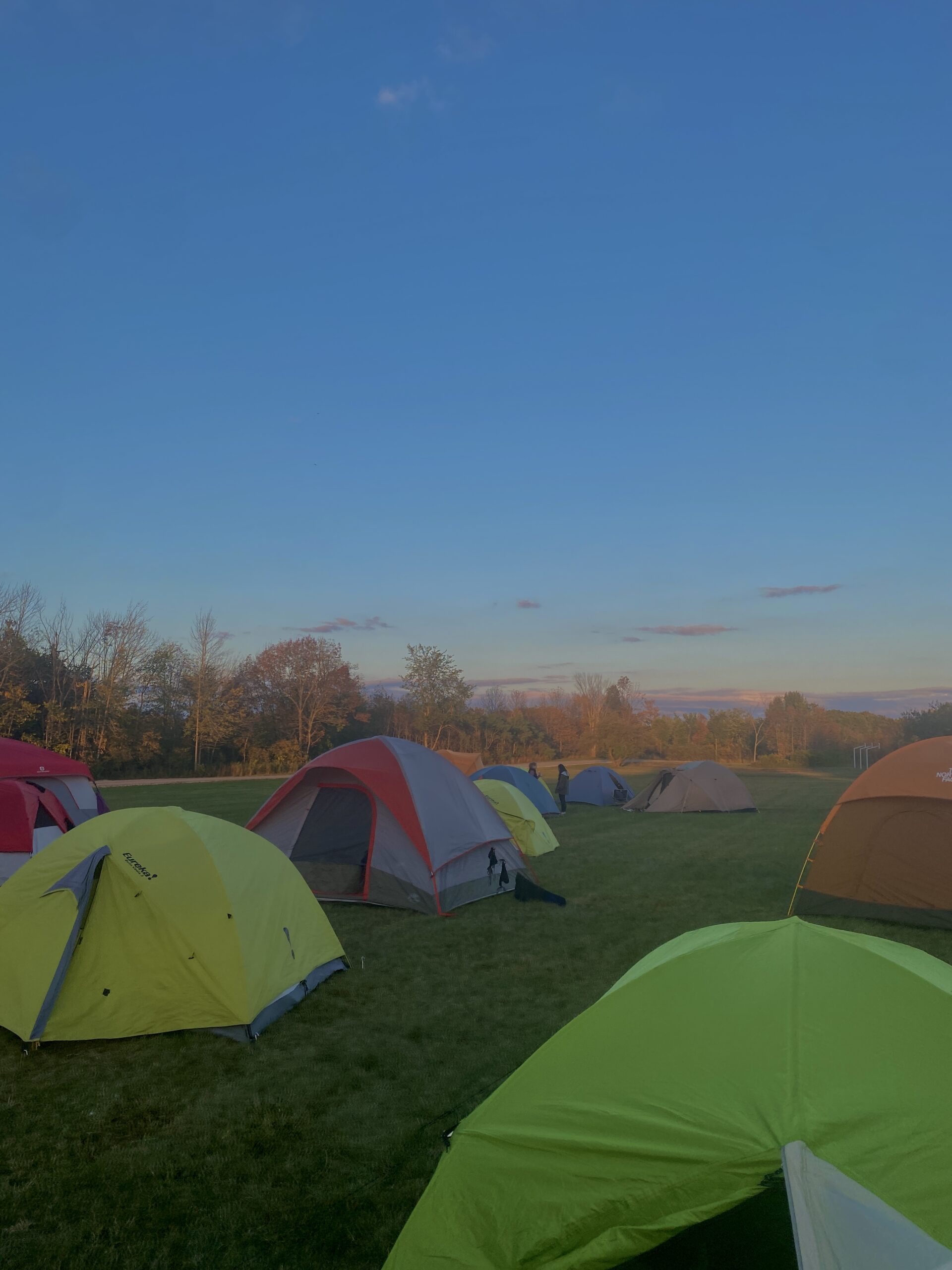
From September 11 to 14, students from U of T traveled to Mnjikaning (Chippewa of the Rama First Nation) to participate in the annual Indigenous Law in Context: Intensive law camp. Rather than reading from physical casebooks and sitting in lecture halls, this intensive allowed participants to look to the Earth as our law professor and as a source of law in and of itself. This year brought together students, professors, and staff from several schools, including Osgoode, Toronto Metropolitan University (TMU), Queens University, and University of Victoria (UVic), as well as members of the Law Society of Ontario.
Participants were welcomed to learn Anishinaabe law through various land-based learning opportunities. This included participating in various ceremonies, including the sunrise ceremony that opened our first full day at Mnjikaning, as well as singing together, listening to talks and stories on Anishinaabe art, language, and governance, and taking moments on breaks to engage with and learn from the land on our own time. Just like last year, we also had a fantastic session on the Rama Farm, and this year some students had the opportunity to participate in a sweat lodge ceremony.

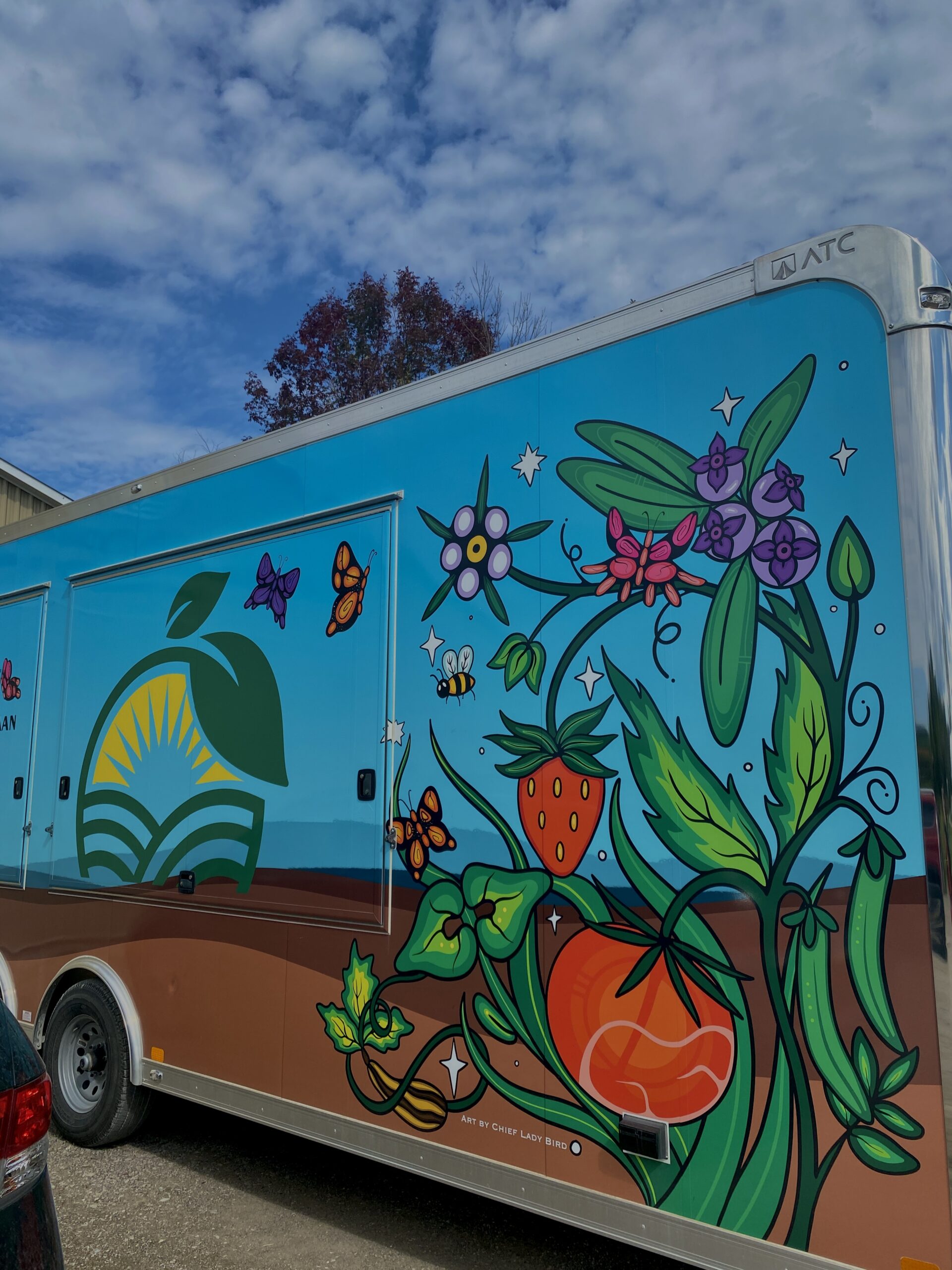
A beautiful element of land-based learning is that no two peoples’ experiences will be entirely the same. We were told aptly on day one of Law Camp that we take for us what is meant for us. The feelings we’ve felt, questions we’ve asked, and lessons we’ve all learned were thus deeply influenced by our own lived experiences and understandings of what law is.
To hear a bit about the array of experiences from law camp, some students have generously offered some of their reflections for this article:
“At Chippewas of the Rama First Nation, we learned Anishinaabe law through fire teachings, stories, and the Seven Grandfather Teachings—principles that reminded me of the values I grew up with in Hinduism. Both traditions see law not as command but as conduct, something lived through relationships—with others, with the land, and with the more-than-human world. Listening to community members speak about wampum belts and the return of sacred items, I was struck by how responsibility, reciprocity, and respect form a shared moral grammar across traditions. It felt grounding to study law outdoors—to learn from the cold, from the sunrise, from the animals. It was the first time in law school I felt that learning wasn’t about mastering rules, but about understanding how to live rightly among others.” – Amit Nehru (3L)
“The days at Rama felt less like an academic exercise and more like a return—a remembering of what law, life, and learning truly mean. Each teaching, whether by fire, water, or story, reached beyond intellect and into spirit. I arrived as a student seeking knowledge and left as a listener, a brother, and a small part of something vast. Around every circle—in laughter, silence, and song—I saw that the law is not written in books but breathed in relationships. The camp taught me that humility, not hierarchy, is the beginning of wisdom, and that love is the highest form of governance. I carry those teachings not as lessons completed but as fires still burning—reminders that every river I cross, every word I speak, and every client I serve will always carry a piece of Rama within them.” – Marin Shehaj (3L)
“Law camp was a challenging experience—not because I’d never camped before (turns out it’s way less scary than I’d thought), but because it showed me the limitations and biases in the way I thought about law. Weeks after the camp, I’m still thinking through the implications of what I learned, as the lessons come back to me in new ways. I cannot recommend it enough.” – Navya Sheth (3L)
—
Just like my classmates who shared their reflections, I have also returned from law camp with many questions, thoughts, and reflections that I am still digesting. One thing I will start off with saying is that I cannot recommend this course enough. It has honestly been one of the most challenging experiences I have had in law school, but with that, it has also been one of the most rewarding.
Just like explained in his article about his experience last year, being in Anishinaabe Law Camp re-oriented me towards viewing my education from a non-extractive lens. While at Law Camp, I realized very quickly that I have become so accustomed to taking a self-centred, extractive, and ultimately anxious approach to my education. The strategies I’ve employed in the classroom, including vigorous note-taking and anxious outlining, have all been done with an eye for what I can do to achieve the best results possible. Consequently, my focus was never primarily on my learning and how my learning can be used to support others. Needless to say, when we arrived at Mnjikaning and were told not to take notes, I instantly panicked. I quickly worried about how I would be able to remember every little detail about the camp when writing my reflections after the fact. But this panic quickly subsided with Professor Borrows’ reminder to “not let our education get in the way of our learning.”
Mnjikaning didn’t just reorient me in my approach to learning. It also instilled in me the importance of understanding law as a verb. I think that it’s relatively easy for us to see the law as something external to us, especially in our common law system with our defined branches of government where legislators draft laws, the executive implements them, and judges interpret them. This worldview can and does have consequences for the way that we regulate behaviour, handle disputes, and, ultimately, the position we perceive ourselves and others to have in the legal system.
Anishinaabe law invites us to see every living being—including the powers of the wind, water, fire, and rock, as well as other living beings like plants, animals, and other humans—as sources, teachers, and practitioners of law. This consequently calls us to, among many things, embrace a posture of humility in how we interact with the world around us. I feel incredibly privileged and fortunate to have seen firsthand how this posture of humility impacts our relations, both at Mnjikaning and now, back at the law school. In particular, I’ve seen how many of us have become more mindful in the way we conduct ourselves, recognizing how every action and move we make has direct and indirect impacts on everything that surrounds us.
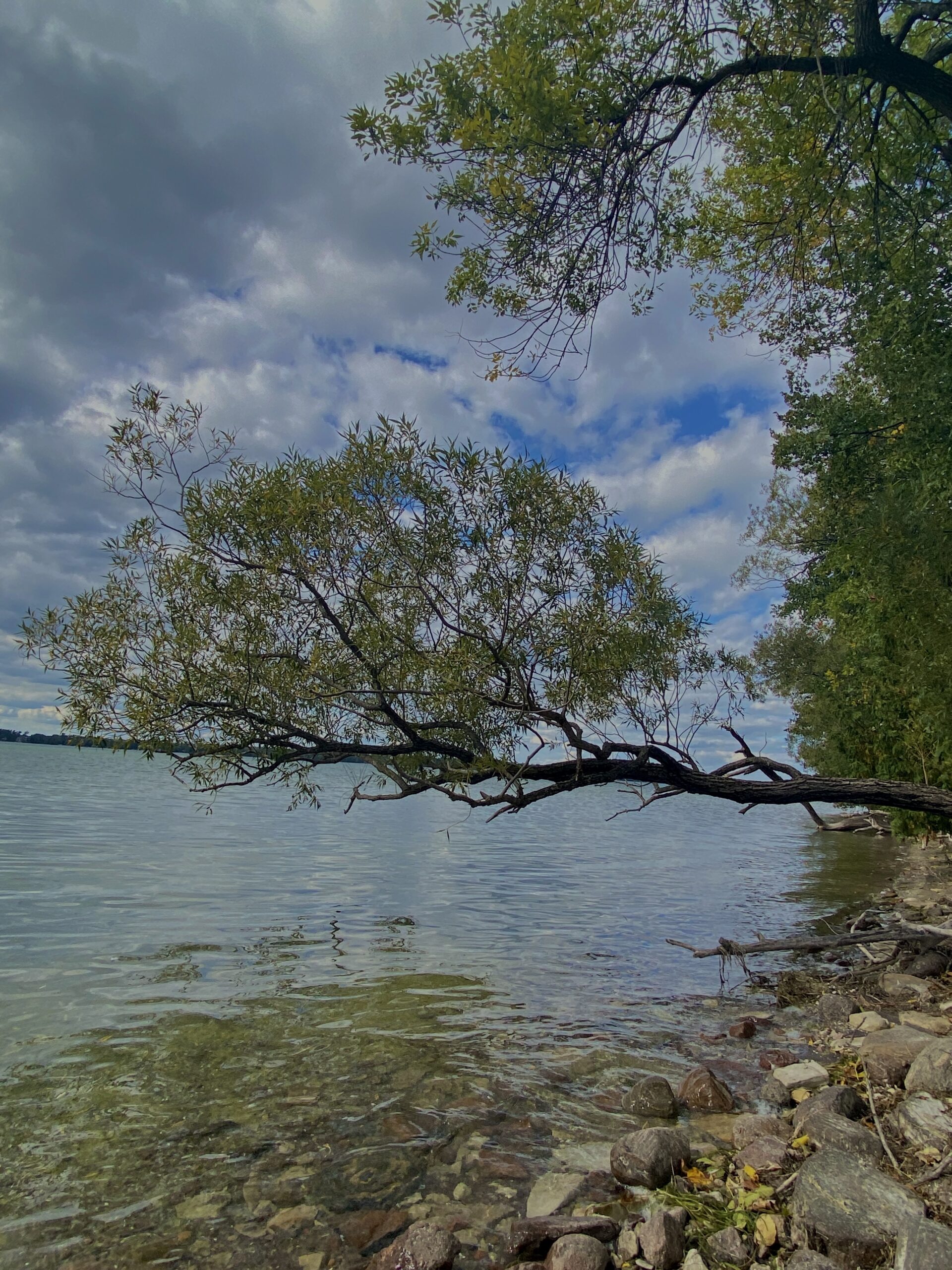
Words will never be enough to describe this experience. All I can say is I am so grateful that I was able to participate this year. I feel immensely privileged to have left Mnjikaning with an open heart and mind to the way law is lived in everything that surrounds me, and I strive to maintain this orientation throughout the remainder of my legal education and future practice.
Miigwechiwendam,
Romina Hajizadeh