








Insights Into the Internal Law School Recruit
For this year’s LSSEP recruit, a total of 41 students responded to UV’s survey. Respondents had the option to abstain from answering any given question. Their responses have been anonymized and reproduced below.
Please note that, as with some of UV’s other recruit surveys, we expect students who performed better or were more satisfied with the outcome of the recruit to have been more likely to participate in this survey.
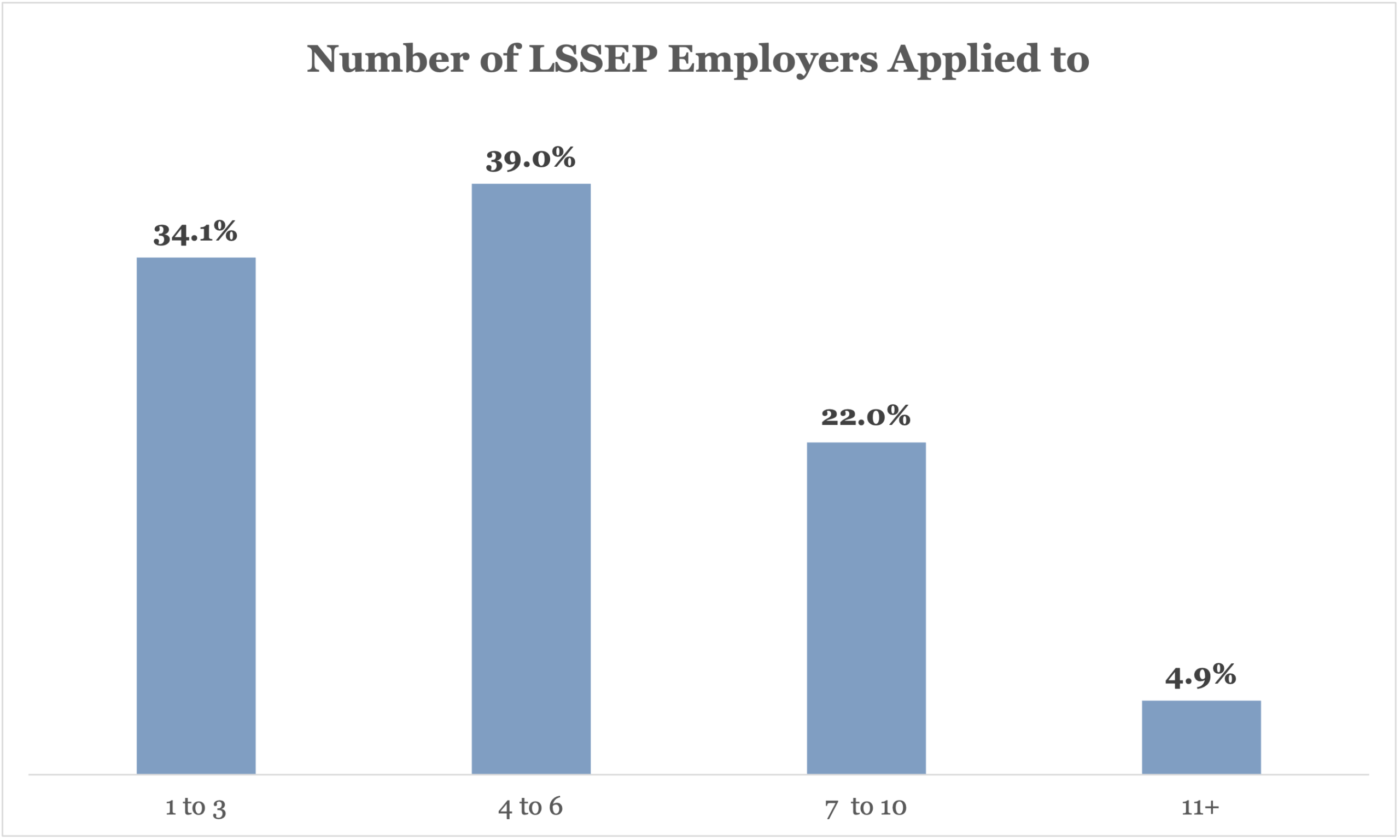
A significant portion of students (64.1%) applied to between one to six LSSEP employers. While only 4.9% of students applied to more than 11 employers, this was an increase from the 2.5% of students who applied to more than 11 employers last year.
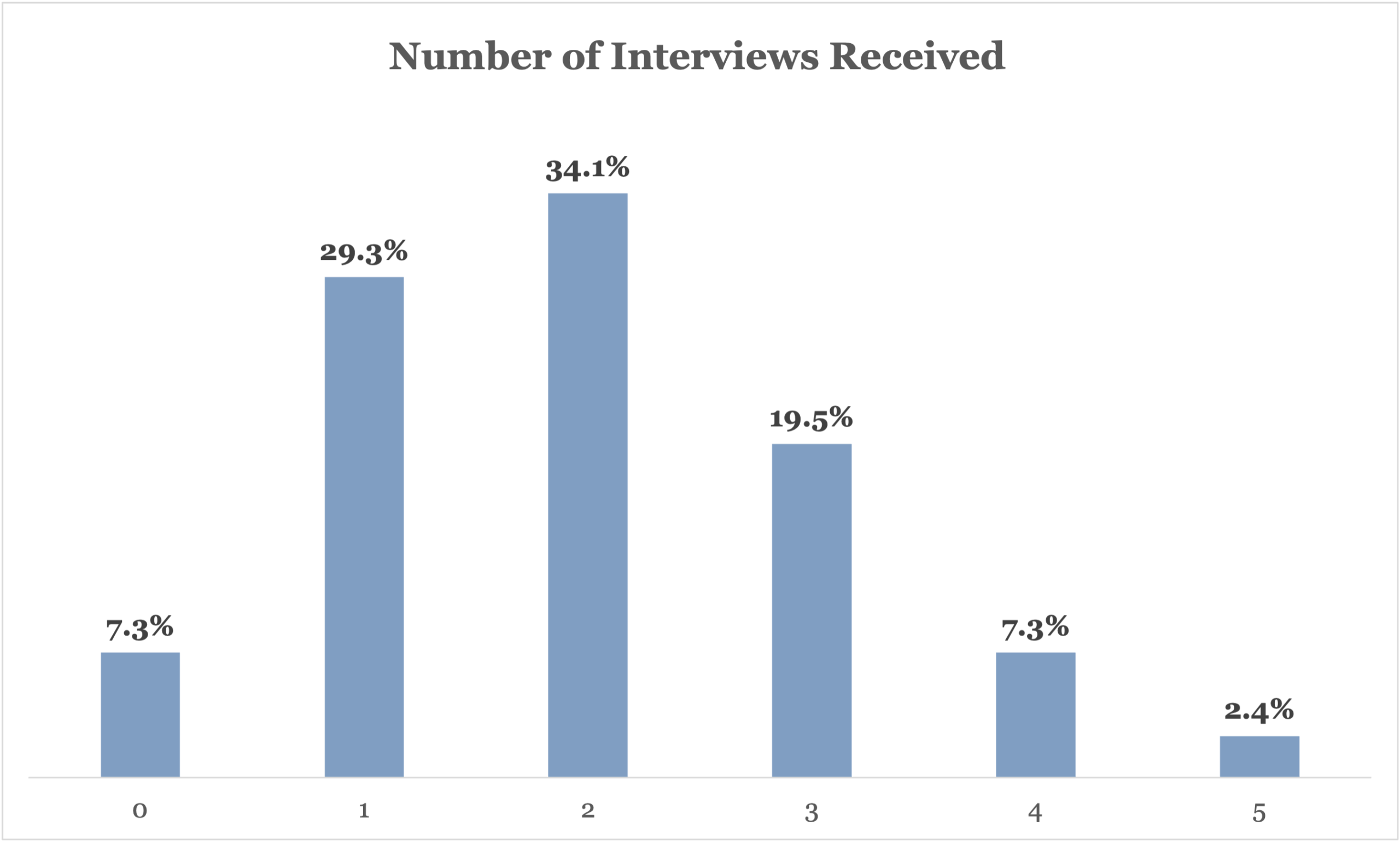
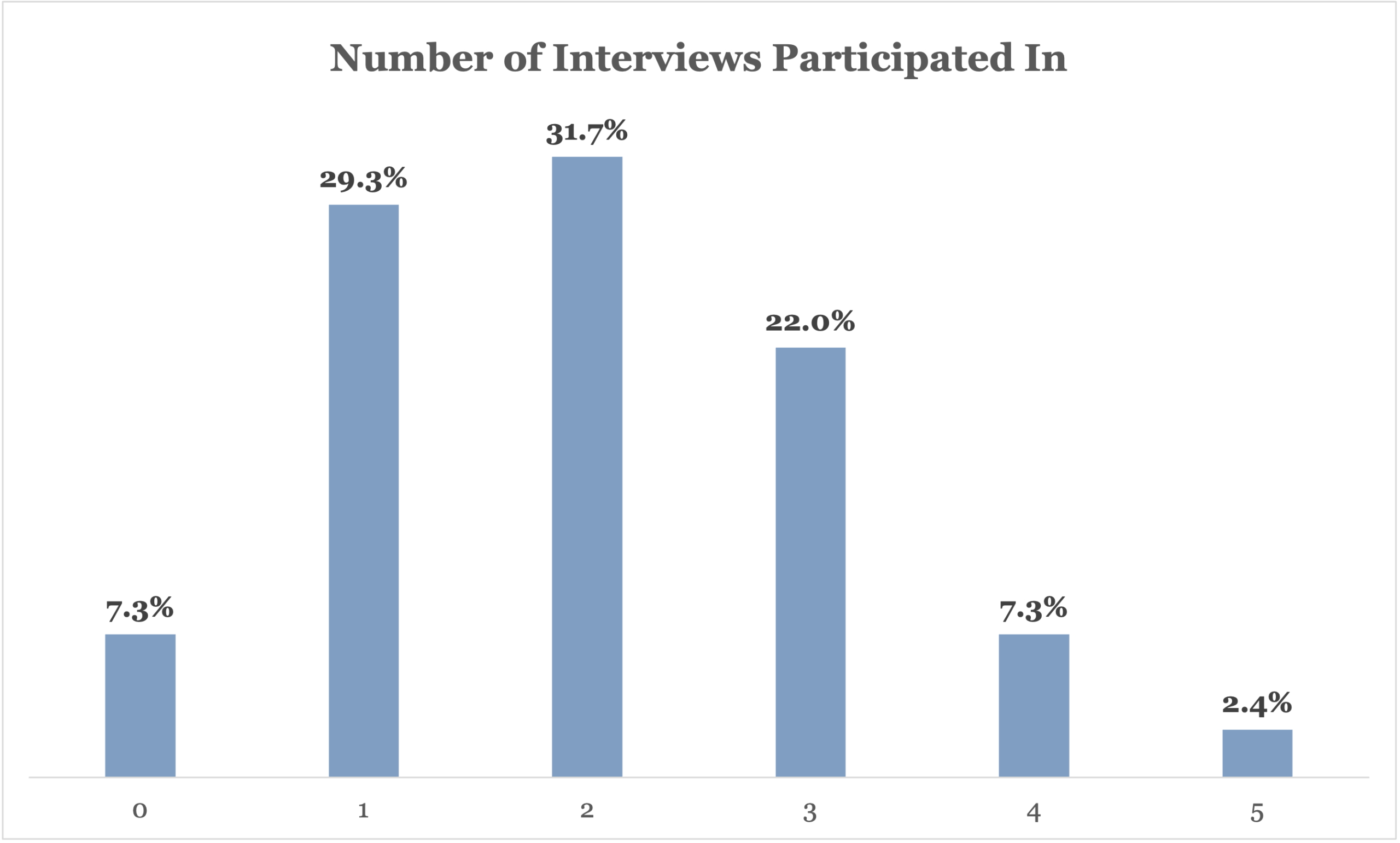
The majority of students received one to three interview offers (63.4%) and, similarly, most students participated in one to two interviews (61%).
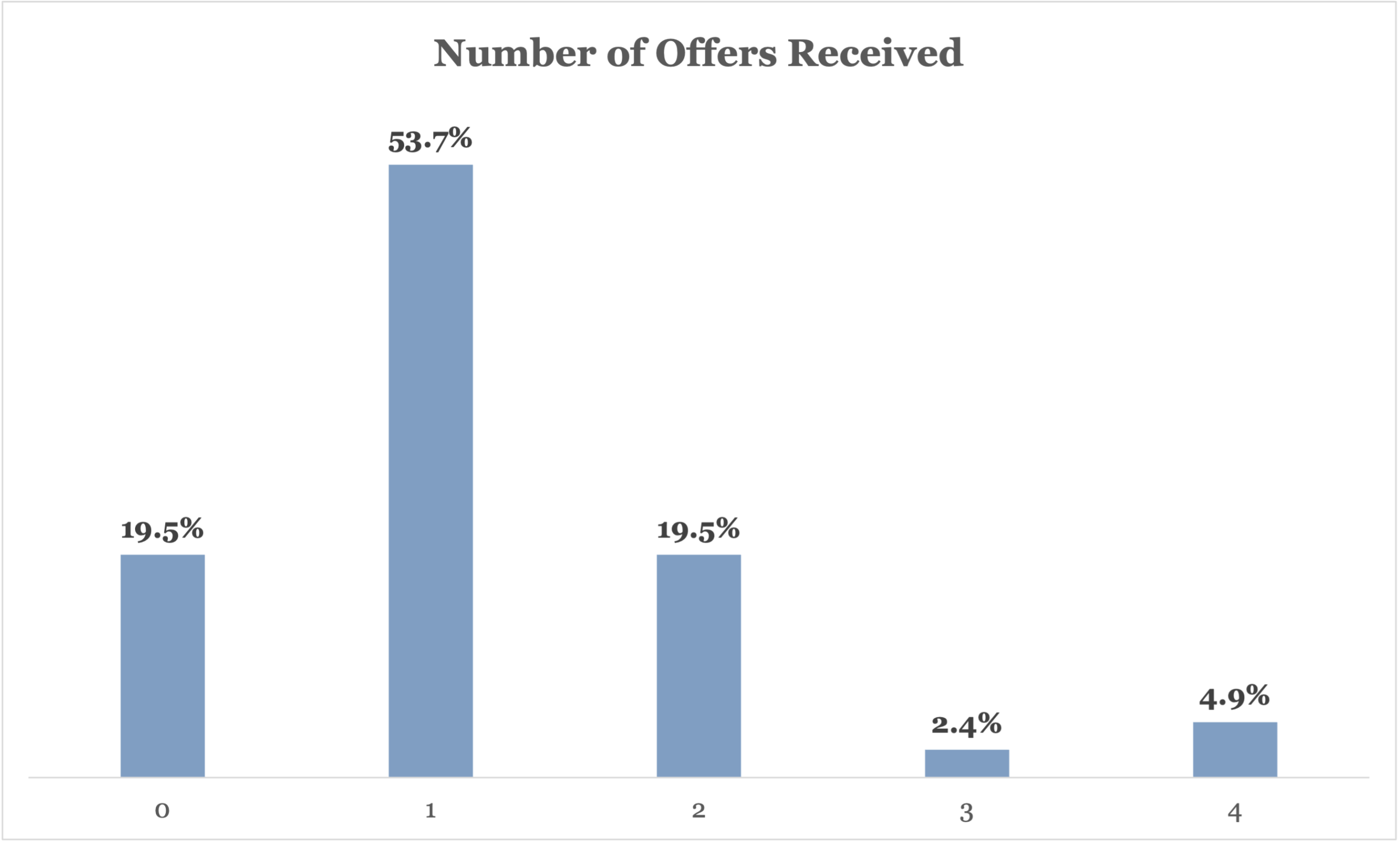
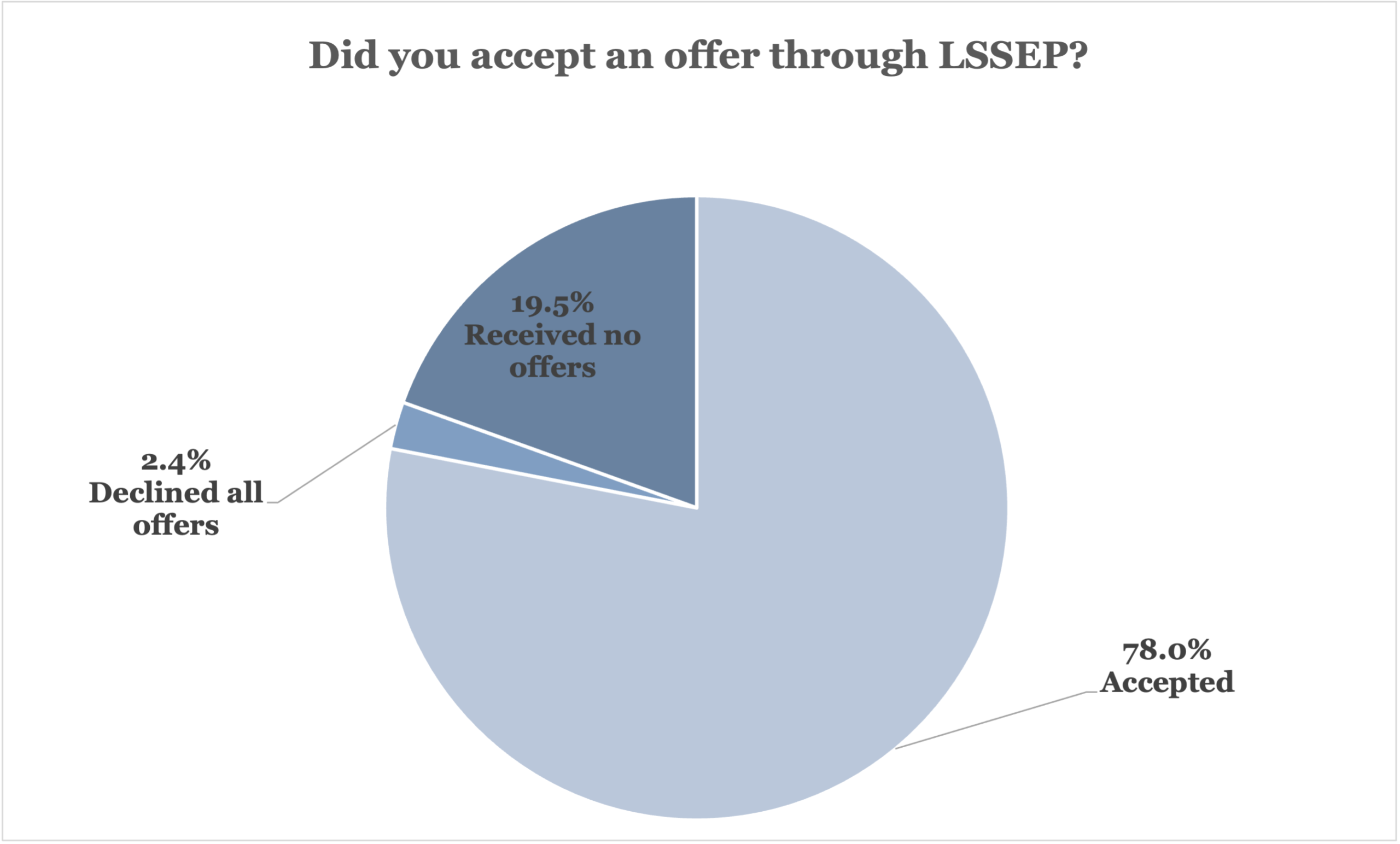
A large majority of the survey respondents (80.5%) reported receiving at least one LSSEP offer through the process. The highest number of offers received, reported by 4.9% of students, was four. As for the final breakdown, 78.0% of survey respondents accepted a summer job offer through LSSEP, 2.4% declined all offers, and 19.5% received no offers. This was a higher number of students who did not receive an offer compared to last year, which represented 7.5% of the previous year’s survey respondents.
Networking
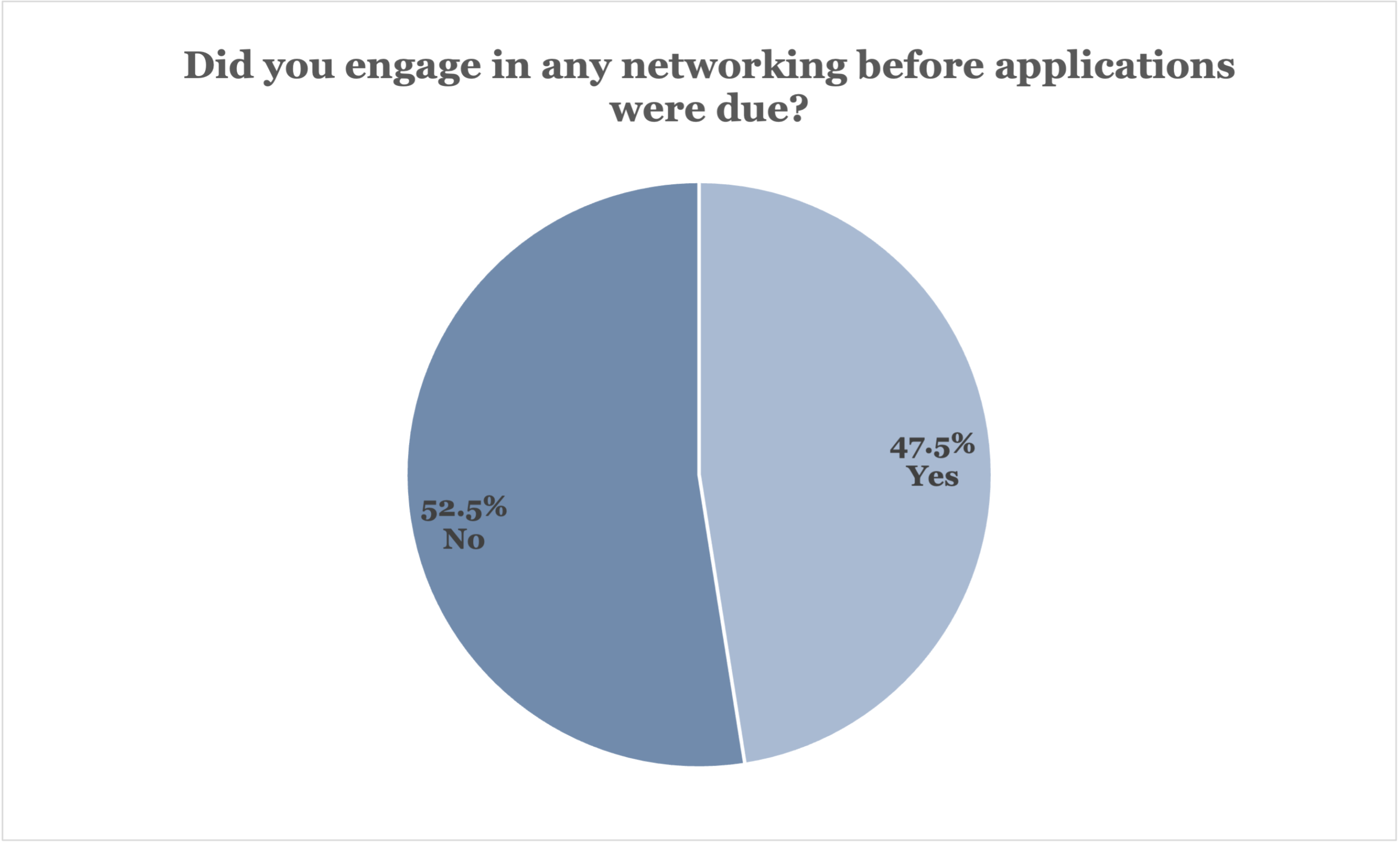
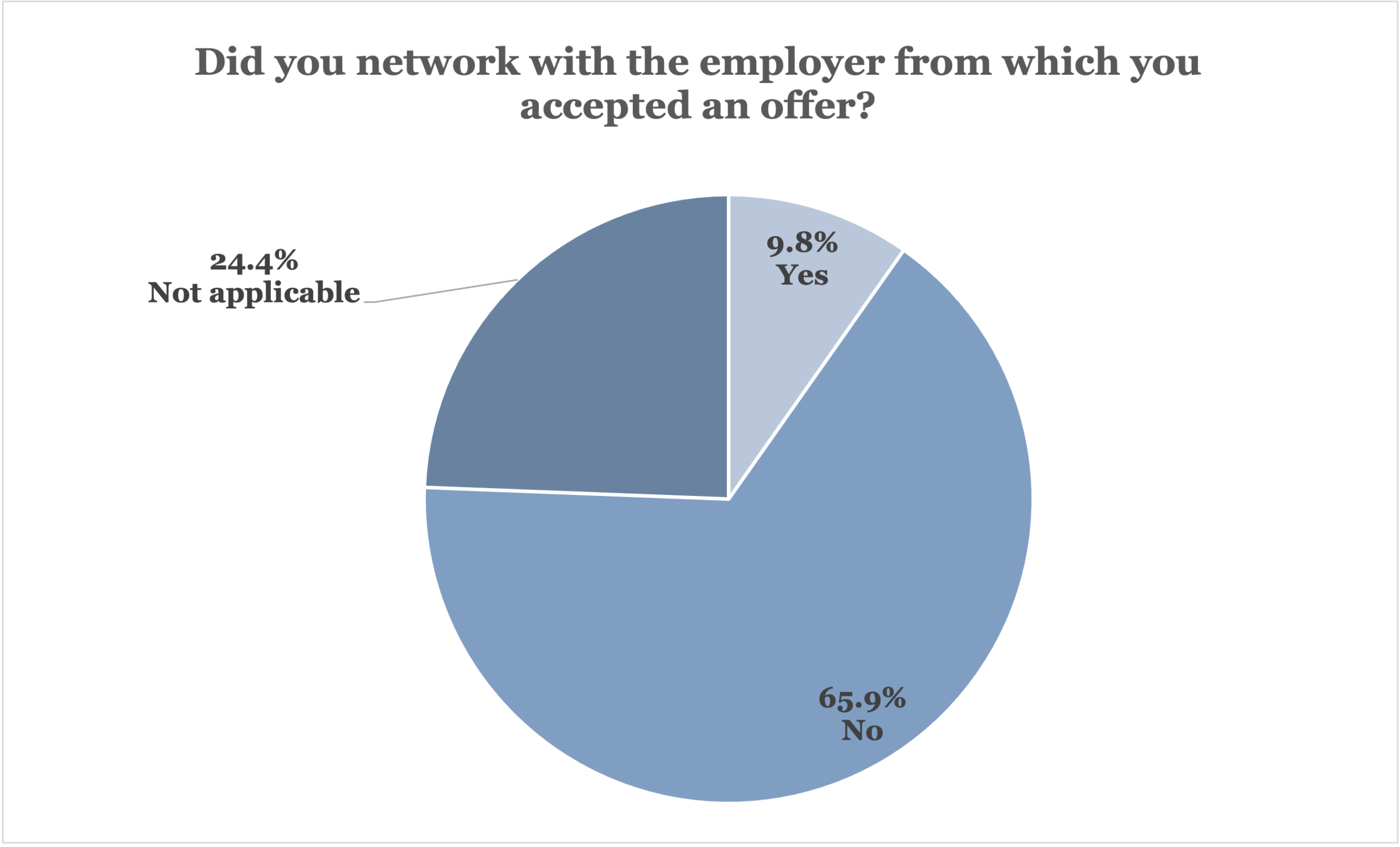
Survey participants were also asked whether they had engaged in networking, both generally and with the employer from whom they received an offer.
The majority of students (47.5%) reported networking for LSSEP. However, only 9.8% of survey respondents reported networking with the employer from which they accepted an offer.
Many students expressed that networking with former and current students was helpful to understand the employer better, but was not necessary.
I think it’s really helpful. Each clinic definitely has a certain skill set / experience they’re looking for and chatting with upper years helped me frame my application in a way the clinic I ended up going with wanted.
Networking with the employer and upper-year students who have worked in the positions you are applying to is very helpful. Speaking with the employer gave me a better sense of what they were looking for in a cover letter, and speaking with upper-years helped me to anticipate the questions employers would ask in the interview.
It definitely helped me decide where I was most interested in working, as well as helped craft cover letters which I think contributed to my receiving multiple interview offers. But I don’t think it’s necessary, because the job I ended up getting I didn’t network for at all.
I think chatting with upper year students is a good way to learn more about the positions that you are interested in but I don’t think it is necessary. It also may help you figure out what you should highlight in your application/ interviews.
Effect of the process
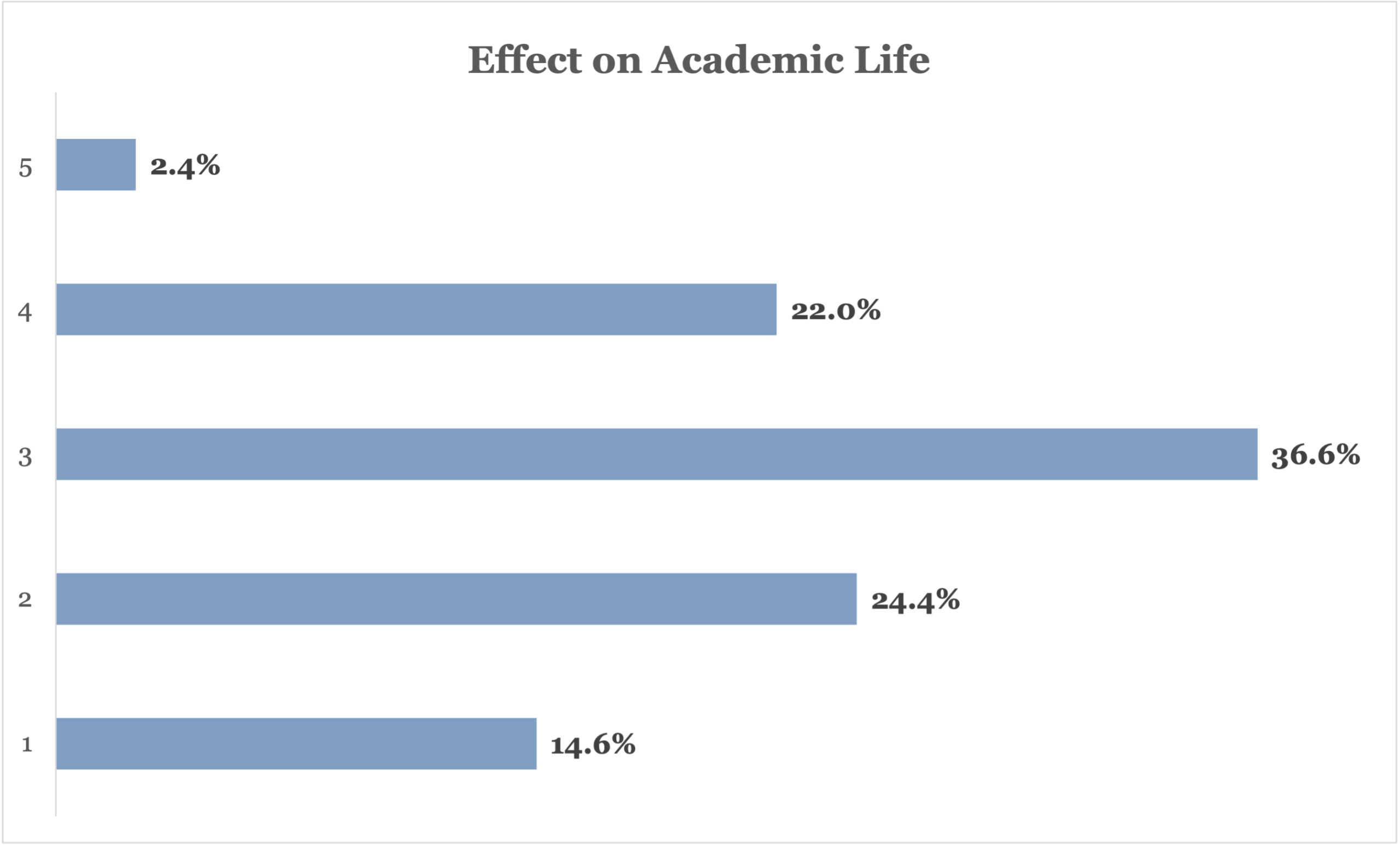
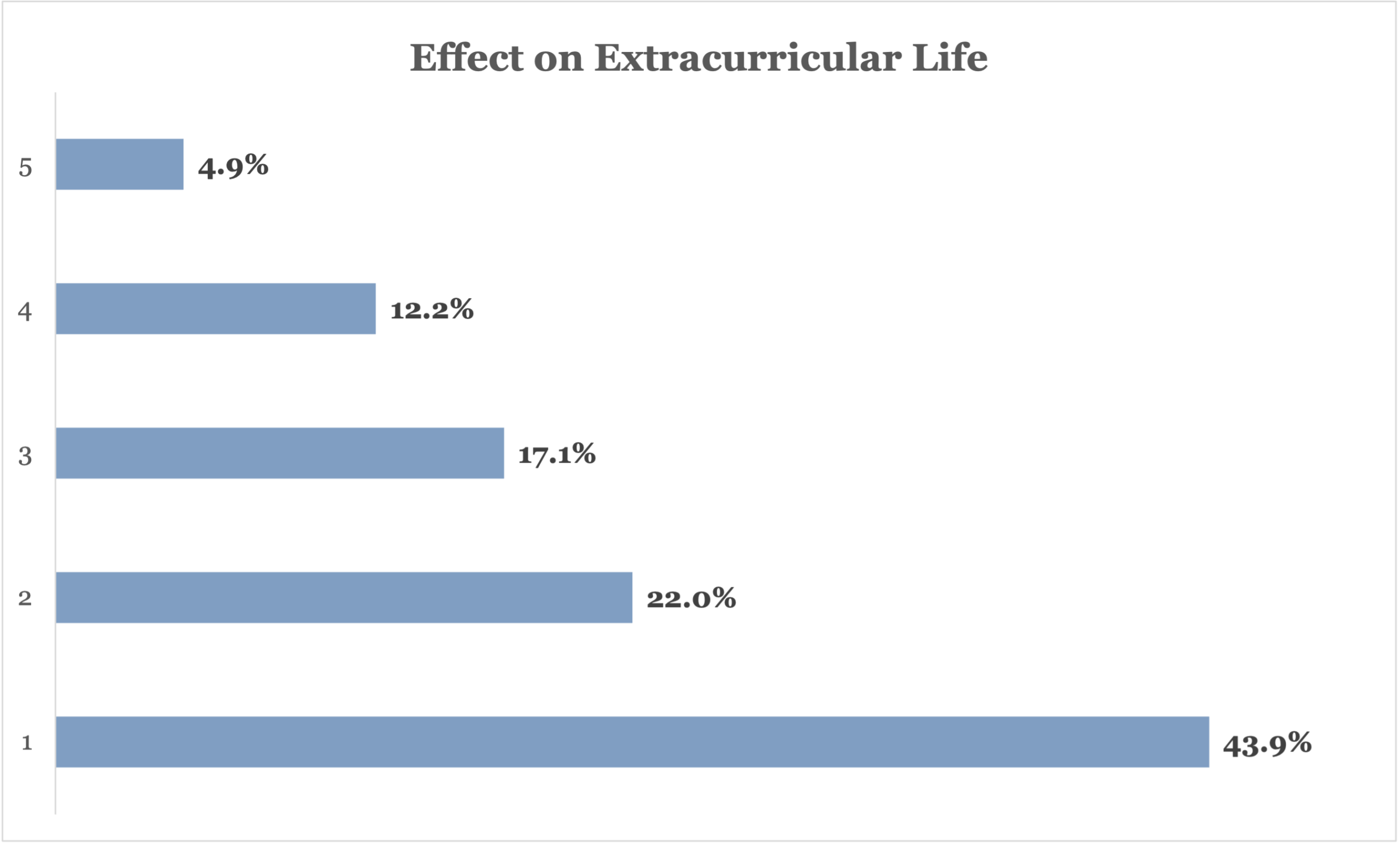
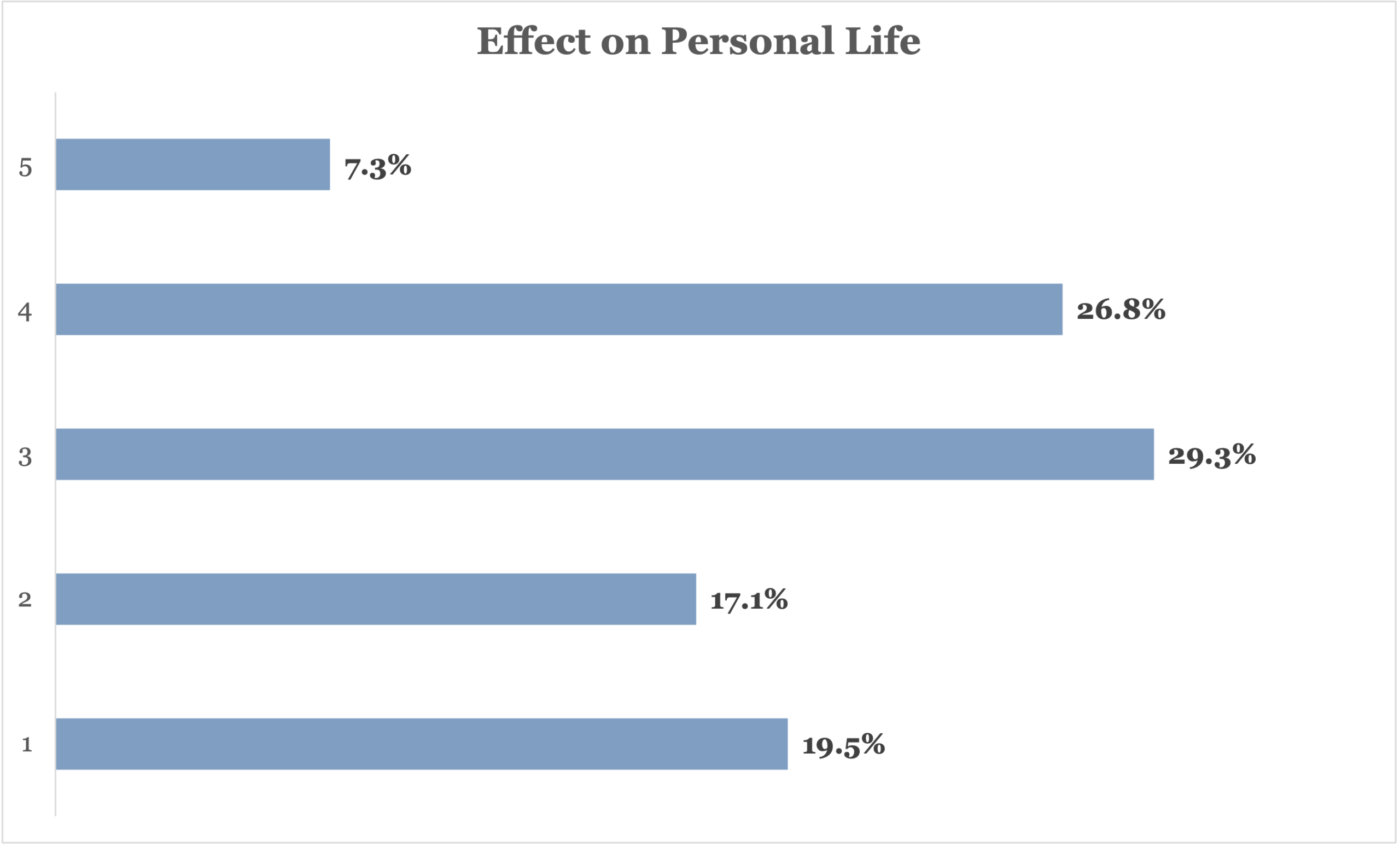
To close out the “numbers” section of the survey, students were asked to rank the effects of the recruit on their academic, extracurricular, and personal life, with a ranking of one meaning that there was “no disruption” and a ranking of five meaning that there was a “significant disruption.” Most student rankings fell between two and four.
What advice would you give to future LSSEP participants?
Many respondents recommended starting the process early, as it took longer than expected to tailor each application. Participants also reflected on the competitiveness of the LSSEP Recruit, possibly due to the lack of positions. Below are some students’ thoughts.
Try not to procrastinate. You definitely can start prepping over winter break if you want but it isn’t necessary, a few weeks ahead of the deadline is fine. Try to talk to upper years and get them to review your materials or give you some advice – everyone’s happy to chat.
Start early and don’t wait until the last minute, apply broadly (granted there are multiple positions that actually interest you, and that you could see yourself working in).
Start early and work on tailoring your application for each employer. You can’t really apply to LSSEP positions with a “one size fits all” cover letter and (for me at least) this process took way longer than I thought. Also, make an appointment with the CDO! It was really helpful to have the CDO look over some of my materials, and they give good advice that you can apply to all your materials.
Start early! Ask upper years who have experience with the interview process about their experience.
LSSEP is more competitive than they make it seem. Get someone else to review your materials before submitting. Practice interviewing with a friend ahead of time, and if possible talk to an upper year student who has already gone through the interview process so you have a better idea of what to expect. Whether you want to apply broadly or just to the positions you really want is a personal choice that depends on the breadth of your interests/experience and how much time you’re willing to dedicate to the process.
I wish the CDO would’ve been more transparent about how competitive the process is. It would’ve been nice to know ahead of time roughly how many people will be selected for an interview. Also, I wish the process for accepting/declining interviews was faster (e.g. auto declining interviews for people who got 1L jobs). I was on the waitlist for an interview up until the student decision deadline, and it wasn’t until the day after the extended deadline that I got off of it. This was really stressful and frustrating and I feel like it could’ve been avoided by having a more streamlined process for accepting/declining interviews.
Final Thoughts
Regardless of whether you secured a position or not through LSSEP, UV would like to offer sincere congratulations to everyone who participated in and made it through the process. As some students from the survey expressed, there are so many things you can do with your summer, and your summer experience is by no means a measure of your success or worth. With that said, best of luck to everyone with the homestretch of this year of law school!