








United Nations human rights mechanisms up close
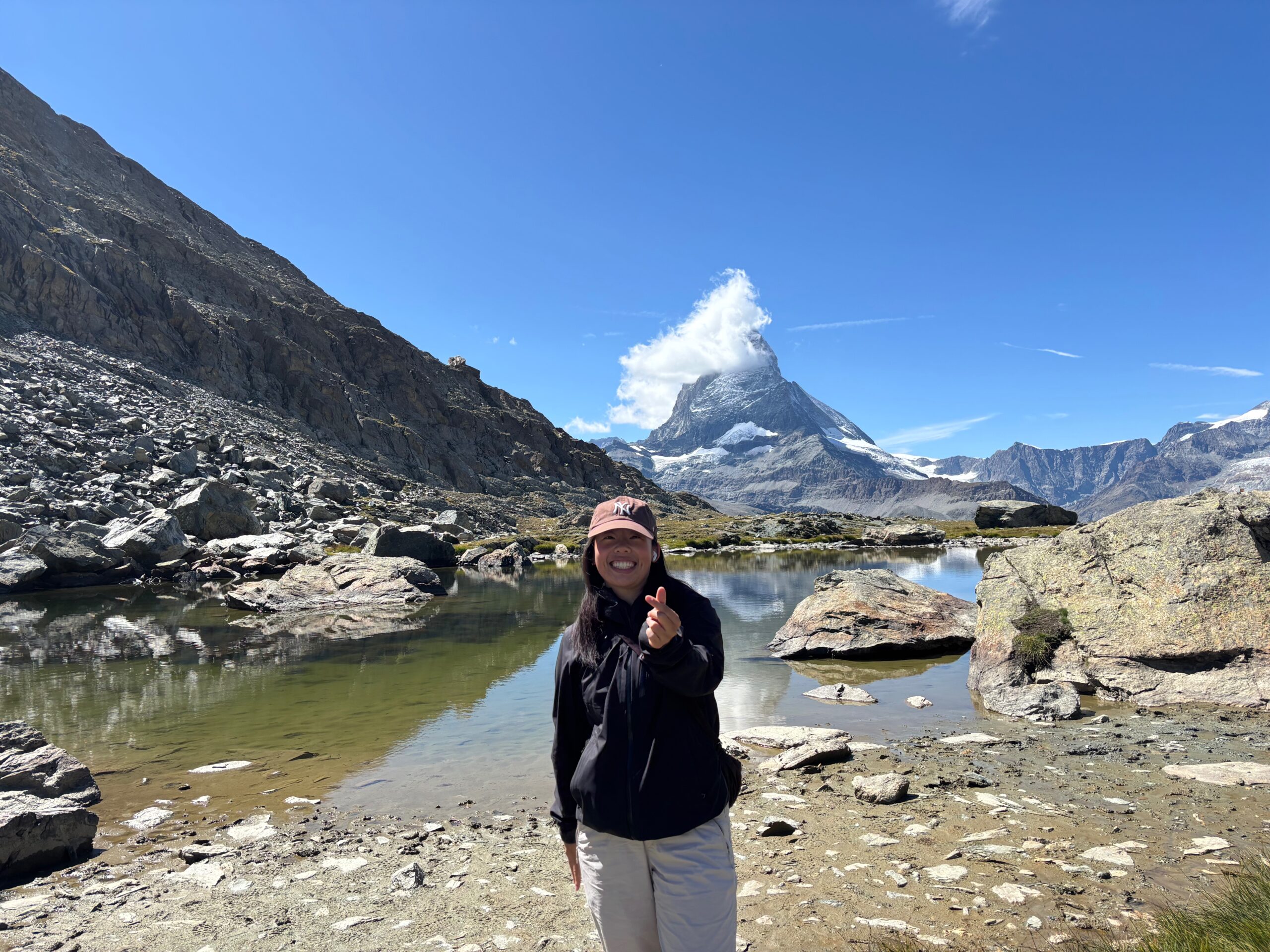
This summer, I had the opportunity to complete a fellowship at the Office of the United Nations High Commissioner for Refugees (UNHCR) in Geneva, Switzerland. I worked in the Human Rights Liaison Unit (HRLU), which leads engagement with human rights mechanisms and the human rights environment more broadly across UNHCR, including field operations and Regional Bureaux. The HRLU leverages these mechanisms and other opportunities to strengthen protection for asylum-seekers, refugees, stateless persons, and other persons of concern to UNHCR, and enhance UNHCR’s advocacy.
Working at UNHCR resulted in significant learning about international refugee law and international human rights law. Being in the HRLU, in particular, gave me an up-close look at the various human rights mechanisms in the United Nations, including the Human Rights Council (HRC), and the work that various UN entities do on human rights.
Attending the Human Rights Council
The HRC is the main intergovernmental body within the UN system responsible for human rights. The Council is mainly concerned with strengthening the promotion and protection of human rights around the globe, as well as addressing human rights violations. I coordinated UNHCR’s engagement with the June-July 2026 session of the HRC, ensuring that colleagues in Geneva and across the world were kept up to date on developments at the Council. At the session, I attended plenary sessions and side events that were relevant to UNHCR’s mandate and took notes at these sessions. I also had the chance to attend sessions on human rights topics that I was personally interested in, such as the rights of nature and the impact of China’s new ethnic unity laws on Tibet. Having the opportunity to learn more about these issues from people directly affected was very insightful.
Supporting the Platform of Independent Experts on Refugee Rights
The HRLU acts as co-secretariat with the Office of the High Commissioner for Human Rights (OHCHR) for the Platform of Independent Experts on Refugee Rights (PIERR). The PIERR organized a side event at the HRC commemorating the 75th anniversary of the 1951 Refugee Convention and its enduring role in human rights protection. The panellists included several PIERR members: Gehad Madi (Special Rapporteur on human rights of migrants), Siobhán Mullally (Special Rapporteur on trafficking in persons), Jorge Contesse (member of the Committee Against Torture), and Selma Sassi (Commissioner & Special Rapporteur on Refugees, Asylum-seekers, IDPs, and Migrants in Africa at the African Commission on Human and Peoples’ Rights). They were joined by Bahishta Nohtani, a former refugee and founder of the Afghan Women’s Rights Association.
The PIERR members also participated in a dialogue with UNHCR colleagues in the field on key protection issues in each region and opportunities for human rights engagement. Sitting in on the discussion gave me the opportunity to learn about different avenues of advocacy for UNHCR, and how UNHCR can also support UN human rights mechanisms with their interventions on different human rights issues.
While supporting the PIERR’s activities, I had the chance to meet and get to know the PIERR members, which lent a human element to the human rights mechanisms that had initially felt abstract and high-level. I was also able to meet colleagues in OHCHR who support the various special procedures and learn about the differences between the work and environment at OHCHR and UNHCR. Many of the PIERR members are academics, though some have a diplomatic background, and almost all of them have a background in law. Accordingly, these conversations gave me more insight into the different kinds of human rights careers and pathways available to those with a law degree.
Coordinating Submissions to Treaty Bodies
UNHCR can submit confidential comments to UN treaty bodies, which are committees of independent experts that review States’ implementation of various international human rights treaties. These include the Committee on the Elimination of Discrimination Against Women and the Committee on the Rights of the Child. HRLU alerts UNHCR colleagues in country offices and Regional Bureaux to upcoming committee sessions and opportunities to make submissions. HRLU is also responsible for coordinating and reviewing submissions. To facilitate this process, I created a spreadsheet to keep track of all the upcoming submissions for the rest of 2026, then reached out to all our colleagues in the field to alert them to these deadlines and recorded their responses. I also coordinated with OHCHR Secretariat colleagues where necessary to inquire about extensions and clarify guidelines. As submissions came in, I coordinated their review by UNHCR’s Regional Bureaux and the HRLU.
Reflections
My time at UNHCR has taught me so much about the UN, international law, and human rights. Working in the HRLU exposed me to the broader UN system and the varying human rights mechanisms. My fellowship also gave me the opportunity to engage with colleagues from operations all over the world and UNHCR’s regional bureaus.
This experience was my first true exposure to international law, and international refugee law in particular. Though I had an understanding of refugee and human rights issues before, approaching these problems from a legal perspective and using my legal education was markedly different. After my first year in law school, steeped in Canadian doctrine, this fellowship also allowed me to see a novel side of the law and lawyering. I met many people all over UNHCR with law backgrounds, who were all doing very different and important work, from protection to inter-agency coordination. Learning about all their journeys and the myriad of ways to forge a career in international law and human rights gave me a clearer sense of what pursuing this path might look like.
It was also a very fascinating time to be in the UN system, given global instability and the UN’s financial crisis. Several countries have refused to make their regular contributions, including the US, one of the UN’s largest contributors. My time here gave me insight into the impact that trends in global politics can have on the work of the UN, particularly for UNHCR. UNHCR has been one of the UN agencies hardest hit by funding cuts, and it is undergoing significant changes as a result. At the same time, increasing conflict and instability in the world still force many people to flee their homes, and UNHCR’s work remains vital to protect and support those in need of international protection. Watching the organization navigate this challenging time has been both inspiring and sobering.
Living in Geneva was also an amazing experience. Living abroad for the first time pushed me out of my comfort zone in so many ways, from figuring out a phone plan to meeting new people to relearning how to speak French. I learned a lot about myself, beyond solely gaining knowledge about international law and human rights at work. I am grateful to the International Human Rights Program (IHRP) and UNHCR for providing me with this opportunity, and I am excited to continue my journey with international law in the IHRP Clinic during this academic year!